
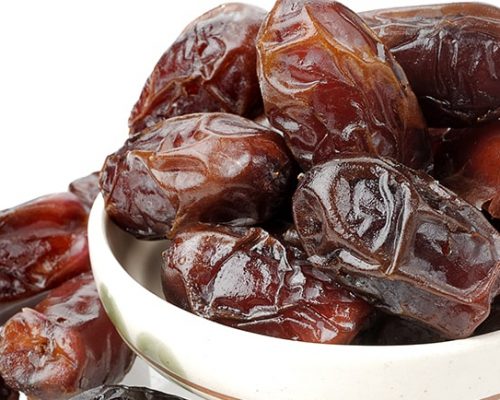
A small pengedar selling kurma to friends, an office or a Ramadan stall used to restock the slow way: a drive to a wholesaler or a Kedai Kurma near the supplier, a morning gone, and a car boot full of cartons bought on a guess about what would sell. Ordering online changes both halves of that. Here is where a reseller working at that scale gains time and money, and where the savings can disappear.
Take the orders first, then buy
The biggest change is the order of things. When a restock means a trip, you buy first and hope it sells. When restocking is a message or a checkout page, you can collect your customers' orders for the week, add a small buffer, and then place one order that matches what people have already asked for.
That saves money more reliably than any discount. Unsold kurma after Hari Raya is cash you cannot get back quickly, and soft varieties do not wait well. Buying against real orders keeps that leftover small.
Where the hours come back
The trip is the obvious one. The less obvious one is the paperwork. An online order leaves a written record of the variety, grade, carton size and price you paid. Next time a customer asks for "the same as last month", you look it up instead of trying to remember, and you reorder the same line in a few minutes.
Questions get answered in writing too. Ask the supplier once about restock dates and how they handle a short delivery, and keep the reply. If you are still choosing who to buy from, our checklist on what to check on a supplier before becoming a pengedar goes through the questions in Malay.
Working out what you really pay
A reseller's margin depends on the delivered cost, not the listed price. For each supplier, add the delivery charge to the order total and divide by the kilos you receive. Then compare that figure against what your customers will pay for the same variety and grade. A supplier with a slightly higher price but free delivery can leave you more per kilo than the cheapest listing.
Ask whether the price changes with quantity, and at what point. Some suppliers price larger orders differently. Our guide to wholesale pricing for resellers seeking high-quality dates in Malaysia explains how that usually works. Only move up a tier if your pre-orders will actually use the extra stock.
Where the savings leak away
Damaged cartons are the first leak. Check each carton on the day it arrives, before you split it into customer packs, and photograph anything crushed or sticky. A supplier who replies quickly to that kind of complaint is worth more than one who is a little cheaper. Our piece on what good customer service from a kurma supplier looks like covers what to expect.
The second leak is timing. Demand jumps before Ramadan and Raya, and suppliers get busy at the same time. Our note on festive-season demand for dates is a reminder to confirm stock and delivery dates early, while you still have time to switch supplier.
Keep the range small at first
Online sellers that offer a diverse range of date varieties make it tempting to list everything. Start with the two or three varieties your customers already ask for by name. Add a new one only when someone asks for it, and buy it against an order.