
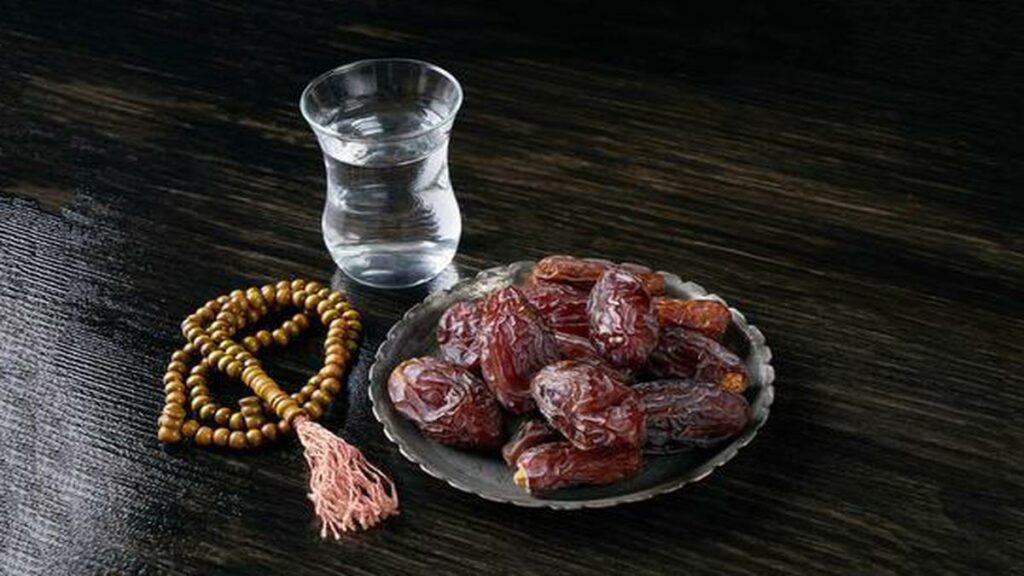
Why the order books fill up months before Ramadan
For a distributor, "festive demand" isn't a single spike — it's a countdown. Buah kurma orders start climbing about six to eight weeks before Ramadan, long before shoppers notice anything different at retail. Wholesalers place their container bookings early because shipping from the Middle East and Iran takes weeks, and a late order means selling out mid-Ramadan with nothing left to restock. Eid al-Fitr tightens the window further: the last two weeks before Hari Raya usually move more volume than the rest of the month combined, driven by hampers and family visits rather than daily consumption.
Which varieties actually move first
Not every date sells at the same pace. Ajwa and Medjool go first — Ajwa for its religious association during Ramadan, Medjool for its size and presentation in hampers. Mariami and Safawi follow close behind, popular with buyers who want something less expensive per kilo but still soft enough to eat straight from the box. Sukkari and Khudri move steadily rather than in a rush; they're the "everyday" dates bought for the household rather than gifting. A distributor stocking for the season needs all five moving through the warehouse, not just the premium grades — Eid buyers span a wide budget range within the same family.
Grading matters more during the rush
When volume is high, grading discipline is what separates a distributor from a reseller passing on someone else's mistakes. Grade A and Jumbo dates need to be visibly whole, unbroken and consistent in colour — that's what a hamper buyer is paying for. Lower grades sell too, but only if priced and labelled as such; mixing grades into one box during a busy week is the fastest way to get returns.
Packaging changes the demand curve
Loose bulk sales barely move before Ramadan; boxed and gift-wrapped formats are what spike. Retailers who read how dates fruit gets used across Malaysian cooking know the same box of Medjool ends up split three ways — some for eating, some for a kuih recipe, some straight into a hamper. That's part of why a single SKU can outsell everything else in the catalogue during the two weeks before Hari Raya: buyers are covering several uses with one purchase. Anyone deciding how much stock to hold going into the Ramadan rush should plan packaging formats, not just kilos.
What buyers should check when demand is high
Prices move with demand, and that's normal — but a sudden jump with no explanation is worth questioning. Buyers comparing suppliers during this period should check the grading system behind the listed price rather than the number alone, since a "cheap" box a grade down is a different product, not a discount. Freshness also matters more in a rush: dates sitting in a hot back-of-shop store for weeks lose the soft texture that justifies the premium grades. Ask when the stock arrived, not just what it costs.
Outside Ramadan and Eid
Chinese New Year, Deepavali and year-end gifting bring smaller but real bumps in demand — mostly for the same boxed, presentable formats rather than loose dates. It's a fraction of the Ramadan volume, but it keeps the warehouse turning over stock instead of sitting idle for eight months a year, which matters for a distributor managing shelf life on the softer varieties.
Planning ahead pays off
The distributors who avoid stockouts aren't reacting to demand — they're ordering against last year's sell-through numbers and adjusting for grade mix, not just total volume. That's the difference between running out of Ajwa two weeks before Eid and having exactly the stock the season needs.