
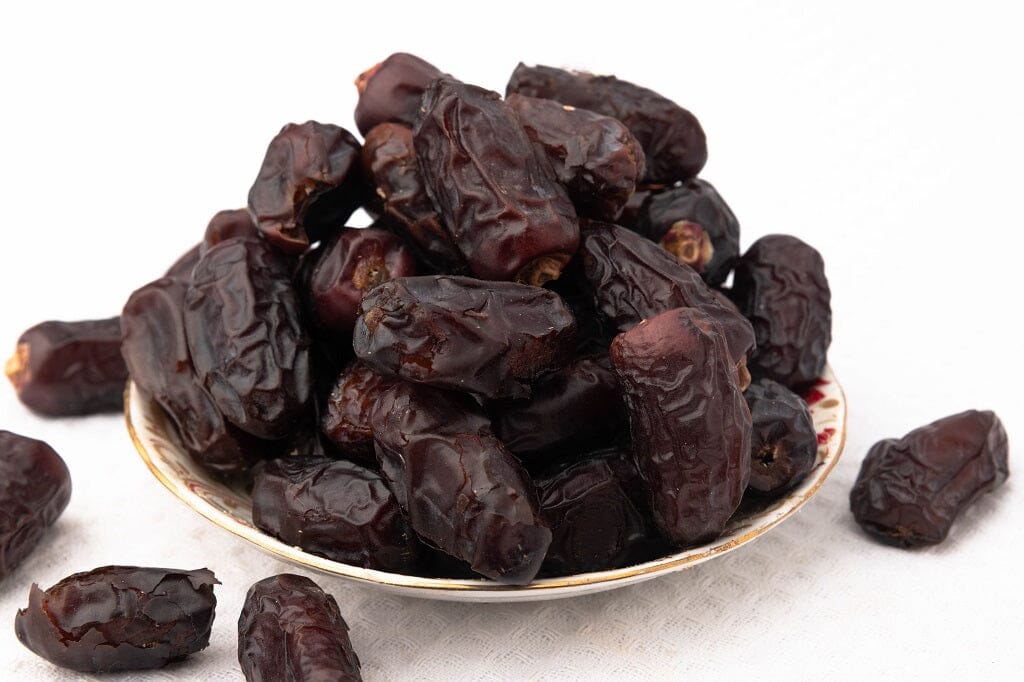
A wholesaler who's bought from the same farms for years usually gets first pick when a harvest is tight, while a buyer who shops purely on lowest quoted price that week gets whatever's left over. Pembekal kurma relationships built over repeat seasons work differently from one-off transactions, and that difference shows up most clearly in a year when supply is short — the farmer prioritises the buyer they know will come back with a wholesaler relationship over one they might never see again.
What a repeat relationship actually buys you
Priority access during a tight harvest is the most valuable thing, but it's not the only one — a farmer who knows a buyer's usual order size and timing can plan their own harvest and sale schedule around it, which tends to translate into more consistent quality on that buyer's specific orders rather than whatever's left after other buyers have taken their pick.
How this plays out for a distributor further down the chain
A distributor's role in the supply chain often means sitting between the farm-level relationship and the end retailer — and a distributor with strong upstream relationships can offer their own downstream customers more supply stability than one reselling whatever's available on the spot market that month.
Building this without a large existing order history
Starting with smaller, consistent orders on a regular schedule — rather than sporadic large ones — signals reliability to a supplier faster than a single big order does. Showing up predictably, paying on time, and communicating clearly about upcoming needs builds the relationship a lowest-price-only buyer never gets access to.
It doesn't replace due diligence
A long relationship is not a substitute for checking each shipment properly — compliance and safety standards still need verifying regardless of how long you've bought from a supplier. Relationship trust should earn priority and consistency, not a pass on basic checks.
Support tends to follow the relationship too
How responsive a supplier is when something goes wrong often improves noticeably for a known, repeat buyer compared with a first-time or one-off customer — not because policy changes, but because there's more at stake in the relationship for both sides.
Where to start
Picking one or two suppliers to order from consistently, rather than shopping every order to the lowest quote, is a longer-term strategy that pays off most exactly when supply gets tight — which is also when it matters most.