
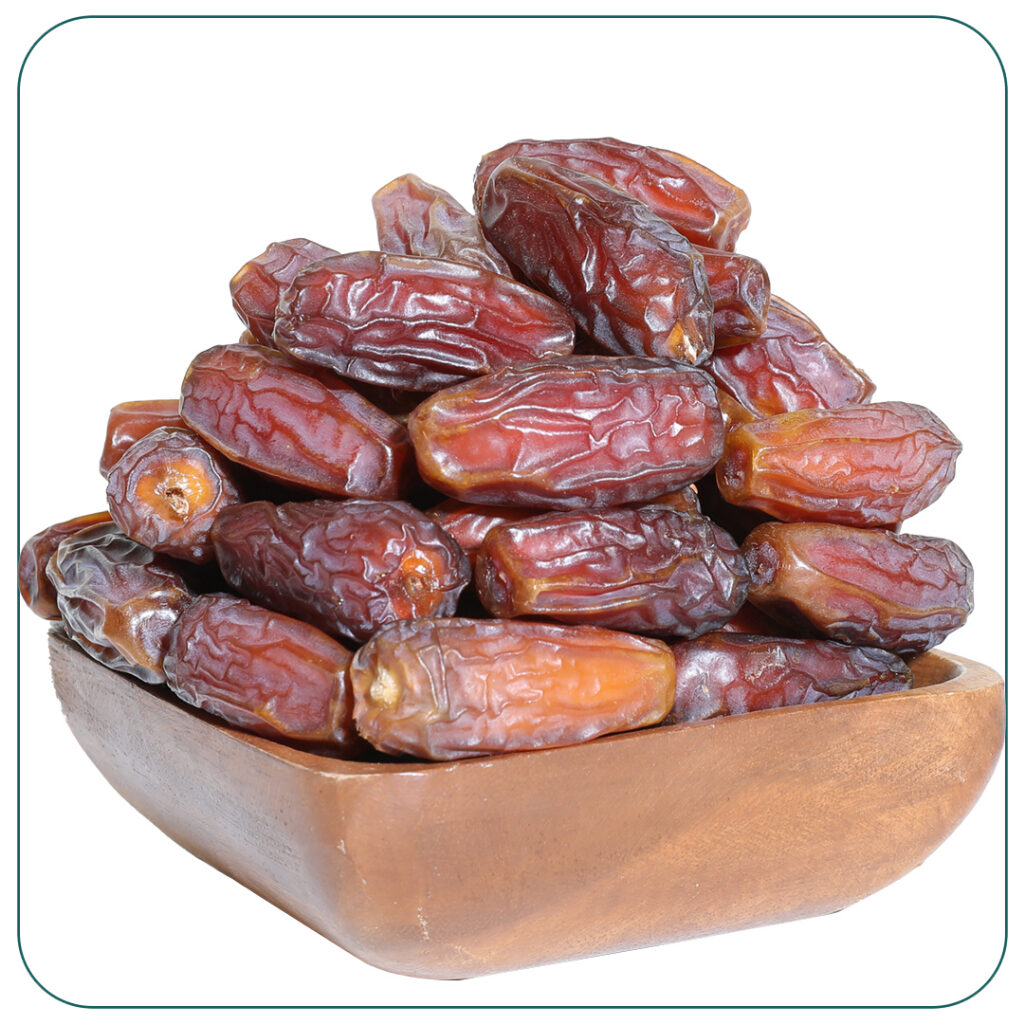
What harga kurma Malaysia actually means
Harga Kurma Malaysia is just the market term for date prices in Malaysia. What a kilogram costs depends on grade, origin, and how close the calendar is to Ramadan. A Malaysian buyer already knows this instinctively: Ajwa costs more than Deglet Noor, Safawi sits somewhere in between, and imported Grade AAA jumps every year the closer it gets to puasa. Checking Harga Kurma Malaysia pricing regularly is the simplest way to avoid overpaying at a pasar malam stall in March.
Grades and what they actually change
Malaysian suppliers grade dates A, AA, AAA, and Jumbo. The grade mostly reflects size and skin condition, not flavour. A Grade A Safawi and a Jumbo Safawi taste almost identical, but the Jumbo costs noticeably more per kilo simply because fewer fruit reach that size. Buyers preparing hantaran boxes usually pay for Jumbo or AAA because presentation matters there; households buying for daily consumption during puasa are usually better served by Grade A. If the grading vocabulary itself is confusing, a plain guide to dates and quality is worth reading before comparing prices at two different stalls.
Ajwa: why it costs what it costs
Ajwa dates come from Madinah, Saudi Arabia, and their price reflects that single point of origin and limited export volume, not a marketing story. The fruit is dark, almost black, with soft, slightly wrinkled skin and a flavour that leans toward caramel with a mild bitterness underneath the sweetness, noticeably less sugary than Medjool. Supply from Madinah stays roughly fixed every harvest, so Ajwa prices in Malaysia tend to hold steady even in months when other varieties get cheaper.
Where Ajwa fits on the plate
- Eaten whole, unstuffed. The bitterness needs nothing added
- Chopped into kurma-based kuih dough in place of sugar
- Given in hampers, usually in smaller counts than Medjool because of the price
For a wider look at how distributors set prices across the supply chain, our earlier piece on Kurma Tangkai distribution covers the wholesale side of this same question. If terms like AA versus AAA still feel vague after that, the grading systems breakdown goes through it line by line.
Buying Ajwa without overpaying
A rough guide: expect a premium of roughly 30-50% over a mid-range Safawi for genuine Madinah Ajwa, more right before Ramadan. If a stall sells Ajwa at Safawi prices, ask where it actually came from. Mislabelling happens, especially with loose, unpackaged stock. Packaged dates with a stated origin on the label are the safer buy for anyone still learning to tell varieties apart. Our Safawi flavour guide is a useful comparison if Ajwa's price puts it out of reach for a particular purchase.
Storing what you buy
Dates keep for months at room temperature in a sealed container, away from direct sun. In Malaysia's humidity, though, an opened pack softens and can develop a faintly fermented smell within two to three weeks. Refrigeration slows that down considerably and is worth doing for anything bought in bulk ahead of Ramadan rather than for immediate use.
Understanding what drives Harga Kurma Malaysia (origin, grade, and timing) is the difference between paying a fair price and paying a Ramadan-rush price for the same box of dates.