
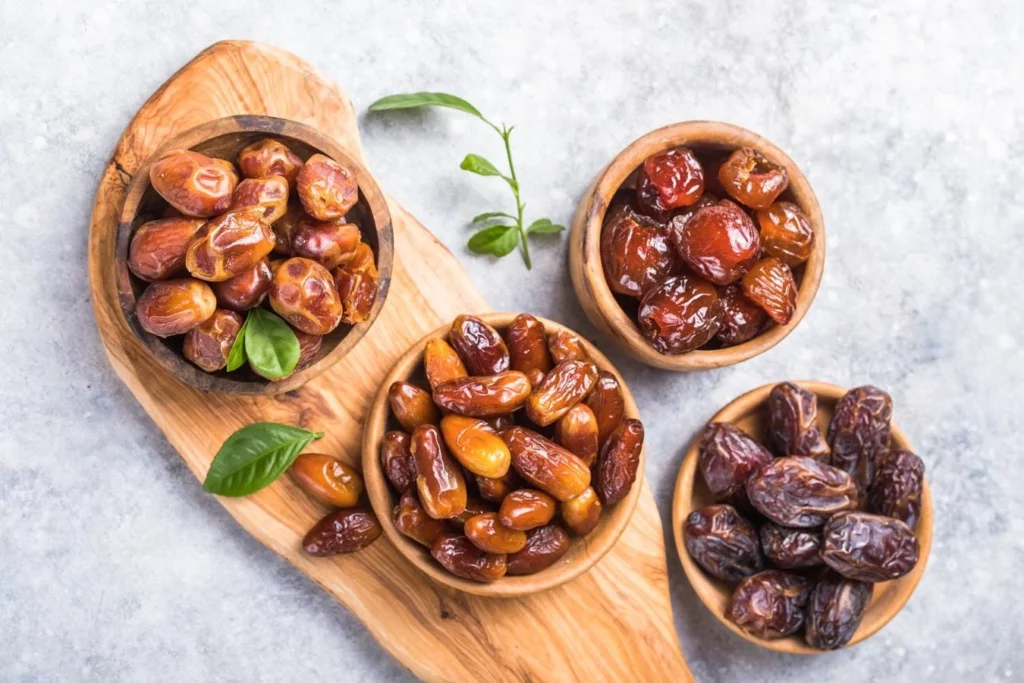
Where Malaysia's kurma actually comes from
Almost none of the dates sold here are grown locally — the climate doesn't suit commercial date palm cultivation. Every box on a shelf in Klang Valley or Penang travelled from Saudi Arabia, Iran, Tunisia, or Jordan first. That fact changes what "supplier" means in this market: you're buying from an importer or a repacker, not a grower, and the two are not the same business.
Importer versus repacker
An importer clears the container at Port Klang, holds cold storage, and sells in bulk — usually 10kg or 20kg cartons, unopened. A repacker buys from that importer, breaks the bulk down into 250g or 500g retail bags and gift boxes, and sells direct to consumers or small shops. Most of the dates found in pasar malam stalls and online stores pass through a repacker, not an importer. Repacking itself is normal. It just adds a step where mislabeling or age-mixing can happen if the repacker isn't careful. If you're weighing up becoming a distributor yourself, our checklist for vetting a supplier before signing on goes into this in more depth.
Why the local climate matters
Humidity is the real enemy. Dates stored in a tropical warehouse without proper climate control absorb moisture, which speeds up sugar crystallisation on the skin and, worse, creates the conditions for mould near the stem end. A serious Kurma supplier in Malaysia keeps stock in air-conditioned or dehumidified storage, not a back room with a fan running. Ask directly how the stock is stored between arrival and sale. A supplier who answers with a temperature range and a turnover time has thought about it; one who says "cool and dry" without numbers probably hasn't. The documentation side of this is covered in our guide to date safety compliance.
Spotting a repacked-as-fresh problem
A few checks before buying in bulk. Press a date gently — if the sugar has crystallised into a gritty white film rather than staying soft, it's been stored too warm for too long. Check the packaging for a packing date, not just a "best before". Repackers who print only an expiry are often hiding how long stock sat before it was bagged. Ask what happens to unsold stock at the end of a season, too; a supplier who rotates and discounts old stock openly is a better long-term source than one who quietly blends it into fresh batches.
What this means for a first-time buyer
Don't assume "supplier" means grower. Assume importer-or-repacker and ask which. Ask about storage conditions in specific terms, not adjectives, and treat the packing date — not the expiry date — as the number that actually tells you what you're buying. How a supplier handles a complaint or a late order matters just as much as the price sheet; see our breakdown of what to expect from supplier customer service.