
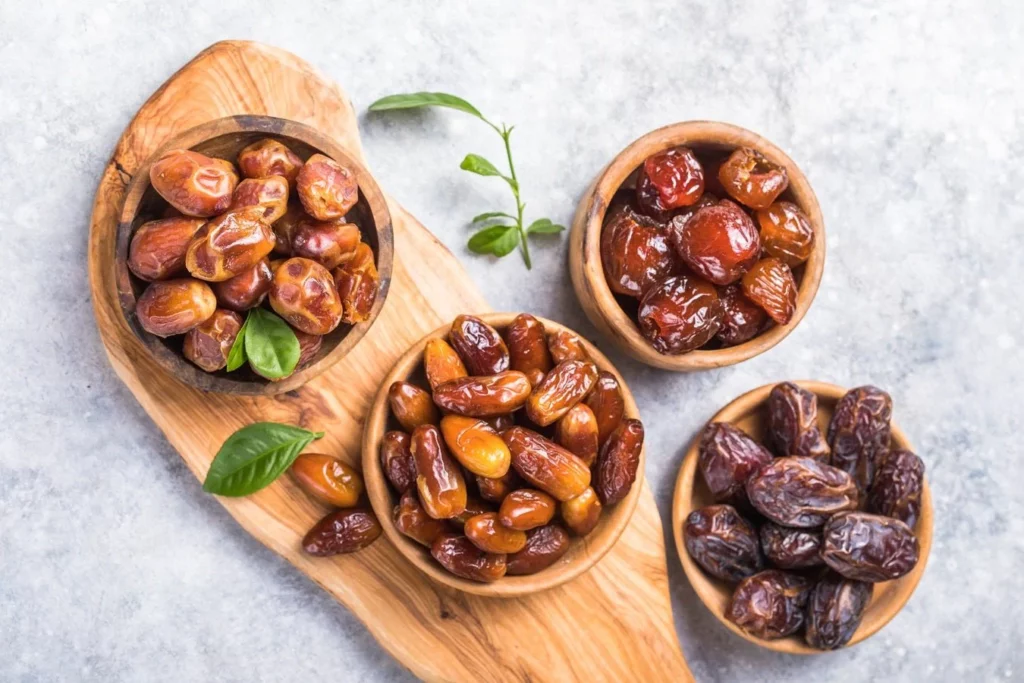
The distributor's real job: matching supply to when Malaysia actually buys
A dates supplier in Malaysia doesn't sell at a flat pace all year. Demand for dates concentrates hard around Ramadan and the run-up to Hari Raya, then drops off for months. A distributor's real value isn't just holding stock — it's holding the right amount of stock at the right time, so retailers aren't stuck paying storage on cartons nobody wants in July, or scrambling for supply three weeks before Ramadan when every other buyer is doing the same thing.
Building stock ahead of Ramadan
Serious distributors start placing orders with growers and exporters two to three months before Ramadan begins, because shipping lead times from Saudi Arabia, Egypt, Iran, and Tunisia don't compress just because demand is about to spike. Ordering late means either paying a premium for expedited freight or running out mid-Ramadan — both bad outcomes for a retailer counting on steady supply through the month.
This is also when grading discipline matters most. A distributor moving large volumes fast under time pressure is exactly where mislabelled or mixed-grade cartons slip through if nobody's checking. Ask a distributor how they inspect incoming shipments during peak season, not just in the quiet months. This is the same standard a well-run dates supplier in Malaysia holds itself to year-round, not just when volumes spike.
What happens in the off-season
Outside Ramadan and festive periods, demand for dates in Malaysia settles into a much smaller, steadier baseline — gift hampers, everyday snacking, and ongoing food-service orders. A distributor holding too much stock through this period eats cold-storage cost for months with no corresponding sales; holding too little means missing early orders from retailers restocking ahead of the next cycle. Getting this balance right, year after year, is what separates an established distributor from one still learning the rhythm.
What this means for the person actually buying
If you're sourcing through a distributor rather than direct from an importer, ask when their stock was last replenished and how it's been stored since. A carton that's been sitting since before Ramadan and one that just cleared customs last week are not the same product, even with an identical label. Current harga kurma also shifts with this cycle — prices firm up in the weeks before Ramadan and soften once the peak passes, so timing an order against that curve is worth doing deliberately rather than by accident.
For current variety availability, see the full range before placing a bulk order.