
A calcium list gives one number per food. Kale, spinach and broccoli can be eaten raw or cooked, though, and cooking changes the numbers in ways that are easy to misread. Kale loses calcium per 100g when it is boiled, yet a cup of boiled kale carries more than three times the calcium of a cup of raw kale. Tofu goes the other way. This article walks through raw and cooked figures from USDA FoodData Central (SR Legacy records, last updated in 2019) and then puts them into three meals.
The daily figure first
According to the NHS, adults aged 19 to 64 and over need 700mg of calcium a day, and you should be able to get all of it from your daily diet. Its sources of calcium include milk, cheese and other dairy foods; green leafy vegetables such as curly kale and okra, but not spinach; soya drinks with added calcium; bread and anything made with fortified flour; and fish where you eat the bones, such as sardines and pilchards.
Raw against boiled, per 100g and per portion
| Food | Raw, per 100g | Boiled and drained, per 100g | Raw portion | Boiled portion |
|---|---|---|---|---|
| Kale | 254mg | 150mg | 1 cup (21g): about 53mg | 1 cup (118g): about 177mg |
| Spinach | 99mg | 136mg | 1 cup (30g): about 30mg | 1 cup (180g): about 245mg |
| Okra | 82mg | 77mg | 8 pods (95g): about 78mg | 8 pods (85g): about 65mg |
| Broccoli | 47mg | 40mg | 1 cup chopped (91g): about 43mg | 1 cup chopped (156g): about 62mg |
The portion weights explain the kale result. In the FDC portion data a cup of raw kale weighs 21g and a cup of boiled kale weighs 118g, so the cooked cup holds far more kale. Per 100g the boiled leaf has less calcium, but per cup you get about 177mg against about 53mg. Broccoli follows the same pattern on a smaller scale. Okra drops a little, from about 78mg to about 65mg for eight pods.
Spinach looks like the winner at about 245mg a boiled cup. The NHS list says "but not spinach", and explains that spinach does contain high levels of calcium but the body cannot digest it all. So count it as a vegetable, not as a calcium food.
Tofu: raw, fried and the coagulant
Firm tofu made with calcium sulfate has 683mg of calcium per 100g raw, so a quarter of a block (81g) gives about 553mg. FDC also lists fried tofu made with calcium sulfate at 961mg per 100g. That is higher per gram than the raw block, and one fried piece of 13g gives about 125mg. The plain "Tofu, fried" record, which does not name the coagulant, lists 372mg per 100g, or about 48mg a piece.
Three meals with cooked greens and tofu
Breakfast is a cup of plain whole-milk yoghurt with two chopped Medjool dates. The yoghurt gives about 296mg and the dates about 31mg, so the bowl comes to about 327mg.
Lunch is a cup of cooked white rice with a cup of boiled broccoli and eight boiled okra pods. The rice adds about 6mg, the broccoli about 62mg and the okra about 65mg, around 133mg in all.
Dinner is a cup of boiled kale with three pieces of fried tofu made with calcium sulfate, and another cup of rice. The kale gives about 177mg, the tofu about 375mg and the rice about 6mg, roughly 557mg.
The day adds up to about 1,020mg. That clears the 700mg, and it stays under the 1,500mg a day that the NHS calls a high dose, which it says could lead to stomach pain and diarrhoea. Had the kale been served raw by the cup, dinner would have lost about 124mg.
Dates in a cooked menu
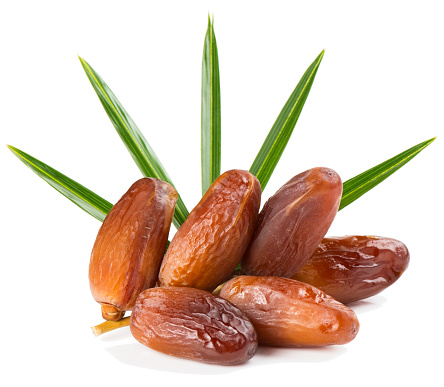
The date figures below come from plain date records that name no cooking method, so there is no boiled version to compare. A pitted Medjool weighs about 24g in the FDC data and has 64mg of calcium per 100g, so two of them give about 31mg. Deglet Noor, the golden, semi-dry date from Tunisia and Algeria, has 39mg per 100g, and each pitted fruit weighs only 7.1g. The NHS counts a 30g portion of dried fruit, dates included, as 1 of your 5 A Day, and asks that it be eaten at mealtimes, not as a snack between meals, to reduce the impact on teeth. The breakfast bowl above does exactly that. The calcium itself comes from the yoghurt, the tofu and the cooked greens.
The link to Kurma medjool Malaysia, an outside site, was already in this post and is kept. Pengedar Kurma Malaysia covers retail purchases through to wholesale supply, with delivery across the country, as its about us page says. For questions, quotes or orders, the WhatsApp number is on the contact page, and other articles are on the blog.
The figures here are general nutrition information, not personal advice. A GP or dietitian can help with an individual diet.