
The twenty-minute lag
It takes roughly twenty minutes for the stomach to signal the brain that it's full. Eating fast skips past that window, so a second helping gets eaten before the first one has even registered. Slower eating isn't about willpower — it's about giving that signal time to arrive.
Foods that force you to slow down
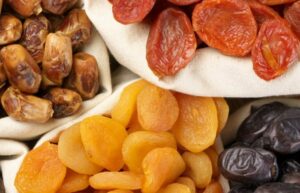
Fibre-rich whole foods need real chewing: raw vegetables, whole fruit, nuts, whole dates. Soft, processed foods go down fast with barely any chewing, which is part of why it's easy to overeat them without noticing.
A date versus date juice, side by side
A whole date takes a minute or two to eat and leaves fibre behind that slows how quickly its sugar reaches the bloodstream. The same date juiced skips almost all of that — it's gone in one swallow and the sugar hits faster. Same fruit, different result, because the fibre was left behind in the juicing.
A habit worth trying
Put the fork down between bites for one meal a day. Or eat the fibrous part of a meal — vegetables, whole fruit — before the rest. Neither takes extra time to shop for or cook; both just change the pace of eating.
No single food does this on its own
Whole dates, vegetables, and other fibre-rich foods help because of how they're eaten, not because of anything they "burn". Browse our healthy food selection or visit the homepage for current kurma stock.