
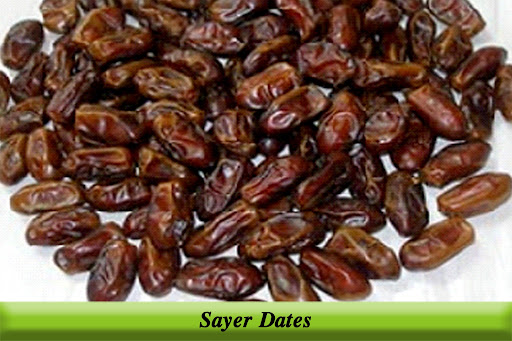
A distributor selling into the dessert and bakery trade has a different set of customers than one selling boxed dates for retail, and Sayer is a variety worth stocking specifically for that first group.
Sayer is grown in Khuzestan, Iran, and harvested from around September. It's soft, high in sugar, and cures into a sticky, reddish-brown fruit that most of the industry treats as a raw ingredient rather than a finished product — pressed into dates syrup, cooked into paste, or blended into commercial desserts. That's actually its main selling point to a bakery or dessert manufacturer: cheap, high-yield sweetness that doesn't need to look presentable, because it's going into a blender.
Sayer dates for this market should be stocked and priced separately from whole-fruit retail grade — a bakery buying by the sack doesn't need cosmetically graded fruit, and charging retail prices for processing-grade stock is a fast way to lose a repeat B2B customer to a competitor who prices it correctly.
Volume matters more than presentation here, so cold-chain consistency through the supply chain is the priority — Sayer's higher moisture content means quality drops fast if pallets sit unrefrigerated, and a bakery relying on a steady weekly order won't tolerate inconsistent batches.
A useful way to think about your catalogue: Medjool dates serve the retail/gifting customer who wants a presentable whole fruit, while Sayer serves the commercial kitchen customer who wants cheap, reliable sweetness by the kilo. Carrying both covers two different revenue streams without doubling your storage complexity, since both need similar refrigerated handling.
See our current Sayer Dates stock, or browse the full range on the home page.