
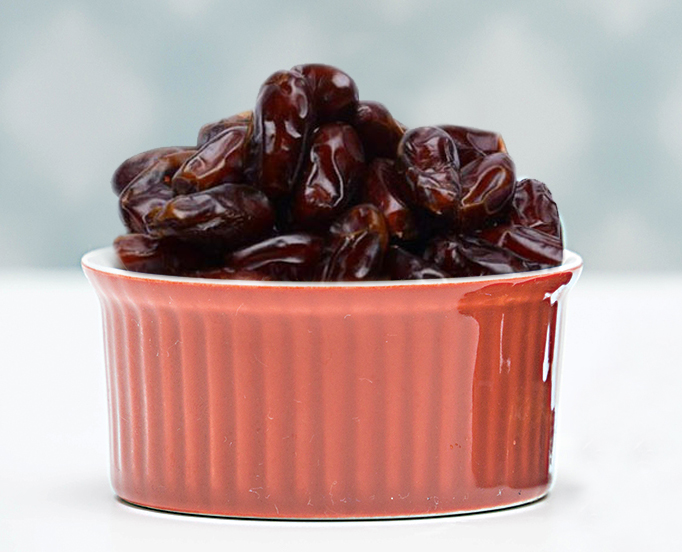
For a Malaysian distributor stocking Iranian dates, Sayer is one of the more interesting varieties to carry because it serves two different customer bases at once: home cooks and small bakeries who want an affordable, soft date for cooking, and processors who buy it specifically to turn into paste or syrup.
Sayer is grown in Khuzestan province, harvested from around September, and cured to a soft, sticky, reddish-brown fruit that's noticeably sweeter and less firm than Zahedi or Deglet Noor. That softness is the whole reason it's cheaper to source than a premium snacking date — it doesn't need the same cosmetic grading, and a large share of any harvest is sold as "processing grade" specifically because minor breakage doesn't matter once it's going into a blender or a pot.
Iranian Sayer dates distributed as whole-fruit retail stock should be the better-graded portion — larger, more even colour, less broken. If a supplier can't tell you which grade a shipment is, ask before agreeing on price, since processing grade and retail grade shouldn't be priced or marketed the same way to end customers.
Margins on Sayer tend to be thinner per kilo than on a premium variety, but volume can make up for it — it's a variety that sells reliably to price-conscious buyers and to the growing number of home bakers making their own date paste rather than buying imported paste at a markup. Positioning it as a "cooking date" rather than competing head-on with Medjool or Ajwa on the gifting shelf tends to move stock faster.
Handling note for distributors: Sayer needs cold storage sooner than firmer varieties. Don't let pallets sit in an unrefrigerated loading bay for long during Malaysia's climate — the sugar content makes it prone to weeping and clumping in heat within days, not weeks.
See our current Sayer date supplier stock, compare against other Dates Wholesaler Malaysia listings, or browse premium dates on the home page.